

-
Speaker: Christoph Müller
Christoph will speak about Jesus as the deep wellspring of our hearts and about the desire to pass on this experienced love to the younger generation. We can show them a sustainable vision for life in Christ, grounded in Christian values. Christian will share his personal story, recounting a remarkable student-teacher encounter from nearly 30 years ago, and reflect on the origins and development of the teachers’ and educators’ prayer network LehrerErmutigungsTreffen e.V.
-
Speaker: Christian Baldauf
This plenary explores how the Bible can serve as a foundation for educational work and shape a teacher’s identity and approach to pedagogy. We will consider how Scripture can guide our work in teaching, counseling, and mentoring, and how to apply biblical principles in practical ways across different educational roles. The session will also offer guidance for supporting both newer believers and experienced Christians in integrating their faith into their professional life, helping teachers bring a consistent, Christ-centered perspective to the classroom.
-
Speaker: Christian Baldauf
Our language is a gift from God that can be used in a purposeful and appreciative way. This plenary focuses on how teachers can communicate with wisdom in the classroom, drawing on biblical principles to guide their words and interactions. Practical tips for goal-oriented communication with learning groups will be developed: from the beginning to the end of a lesson. The session will also address how to exercise discernment and discretion in different educational contexts, including public, private, and Christian schools, equipping teachers to navigate diverse classroom environments with clarity and integrity through respective communication.
-
Speaker: Ted Turnau
Parents, teachers, and youth workers all worry about the impact of popular culture on the children in their care. What if adults could teach kids how to understand and respond to the perspectives presented in popular culture? This talk introduces a way of thinking through popular culture with kids, training them to think critically about what they see and hear.
Plenaries
-
Speaker: Christian Baldauf
This workshop explores how to use AI wisely in lesson planning while keeping a clear biblical worldview at the center. Participants will learn how digital tools can subtly shape values and how to guide students toward truth as revealed in Scripture.
-
Speaker: Ted Turnau
Those of us who work with students--especially teens and young adults--know that they can be passionate about popular culture. Many of them don't just casually enjoy culture; they are invested. They are fans. Fandom is the place where popular culture can take on an almost spiritual intensity that mirrors religion. Drawing from interviews and surveys of over 200 fans, this workshop explores an overlooked mission field: media fandom.
-
Speaker: Maral Reisz
Teachers are confronted with a wide spectrum of behavioural challenges in their pupils: aggression, AD(H)D, speech and language disorders, auditory processing disorders, dyslalia, selective mutism, autism, depression, and mobbing. This list is not exhaustive, and these problems are becoming increasingly common. How should primary school teachers meet these challenges? This workshop will present practical answers based on 40 years of experience as a special needs teacher, with the aim of fostering children’s motivation and joy in learning, development, and identity. It is grounded in biblical principles.
-
Speaker: Dr Helmut Brückner
It is a widespread assumption that the natural sciences and faith in God are incompatible. This lecture argues the opposite. The case is made using insights drawn from the natural sciences, archaeology, and ethnology. The goal is to provide teachers with the knowledge necessary to address pupils’ inquiries regarding the science–faith debate.
-
Speaker: Cornelia Reimer
Harassment of peers or teachers has sadly become a reality in many school environments. As students develop their identity and sometimes strive to take on leadership roles, some find it difficult to do so in positive ways. As educators, we want to ensure a safe and flourishing classroom where learning can take place. This can be supported through tools such as talking circles and focused group assignments, which we will explore in this workshop.
-
Speaker: Bärbel Golze
This workshop explores how cooperation with parents affects the physical, mental, and spiritual development of students. Participants will learn practical strategies for successful parent engagement, effective communication, and strengthening collaboration, as well as the impact of long-term parental involvement on student motivation and performance. There will be space to exchange experiences and gain new perspectives from one another. This workshop is intended for teachers and school administrators in both private and public schools, especially those working with parents from diverse cultural and religious backgrounds. Together, we will explore ways to support the holistic development of students through strong partnerships with parents.
Workshops
-

Christian Baldauf
Christian is the Director of the VEBS Academy (Verband Evangelischer Bekenntnisschulen), where he leads biblically grounded professional development for Christian teachers and school leaders. He trained as a primary school teacher and worked for many years in teacher training and school practice before assuming leadership of the Academy in 2020. Married with four children, Christian is passionate about helping educators integrate a biblical worldview in their teaching, drawing on God’s view of humanity as revealed in Scripture.
-
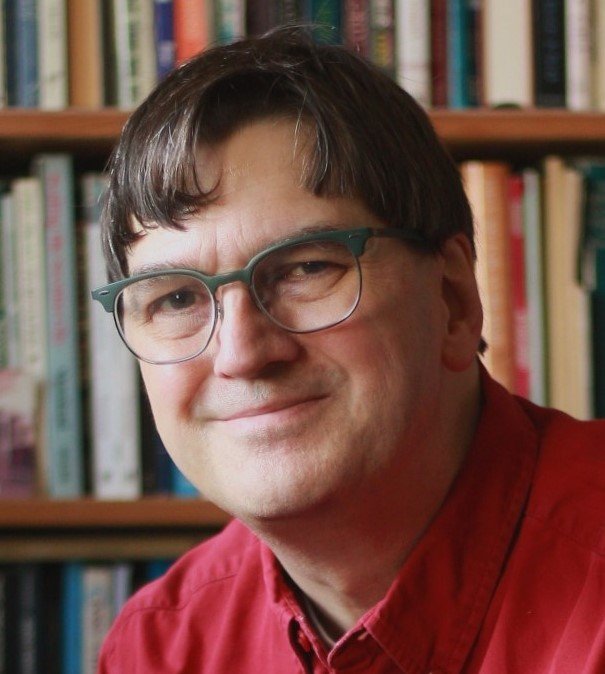
Ted Turnau
Ted Turnau is Chair of the Department of Arts, Culture, and Literature and a Senior Lecturer at Anglo-American University in Prague. He earned his B.A. in English from the University of Virginia and holds an M.Div. and Ph.D. from Westminster Theological Seminary. He specializes in popular culture, imagination, and their relationship to the Christian faith. Ted is originally from Rhode Island, USA, but has been living and teaching in the Czech Republic since 1999. He has been married to Carolyn for over thirty years, and they have three adult children.
-

Maral Reisz
Maral is a special needs teacher with extensive experience supporting pupils with speech, physical, and cognitive disabilities in both mainstream and Christian school settings. She is the founder and director of the Institute and Publishing House for Children and Language (IKUS and VKUS). Maral has served as the regional spokesperson for children with speech and language disorders for the Hessian Association for Special Education. She has also led children’s ministry at Move Church Wiesbaden, facilitated multiple mother-child groups, and directed the Hochheim Network for Children and Language.
-

Dr. Helmut Brückner
Dr. Brückner is a retired Professor of Physical Geography at the University of Cologne and a member of the German National Academy of Sciences Leopoldina. His long career has explored how landscapes and coastlines evolve over millennia and how people and the environment influence each other. His research—rooted in geochronology and geoarchaeology—provides a deep-time perspective that bridges natural science and meaningful questions about origin, change, and purpose. He continues to contribute to conversations about faith and science in light of his academic work.
-
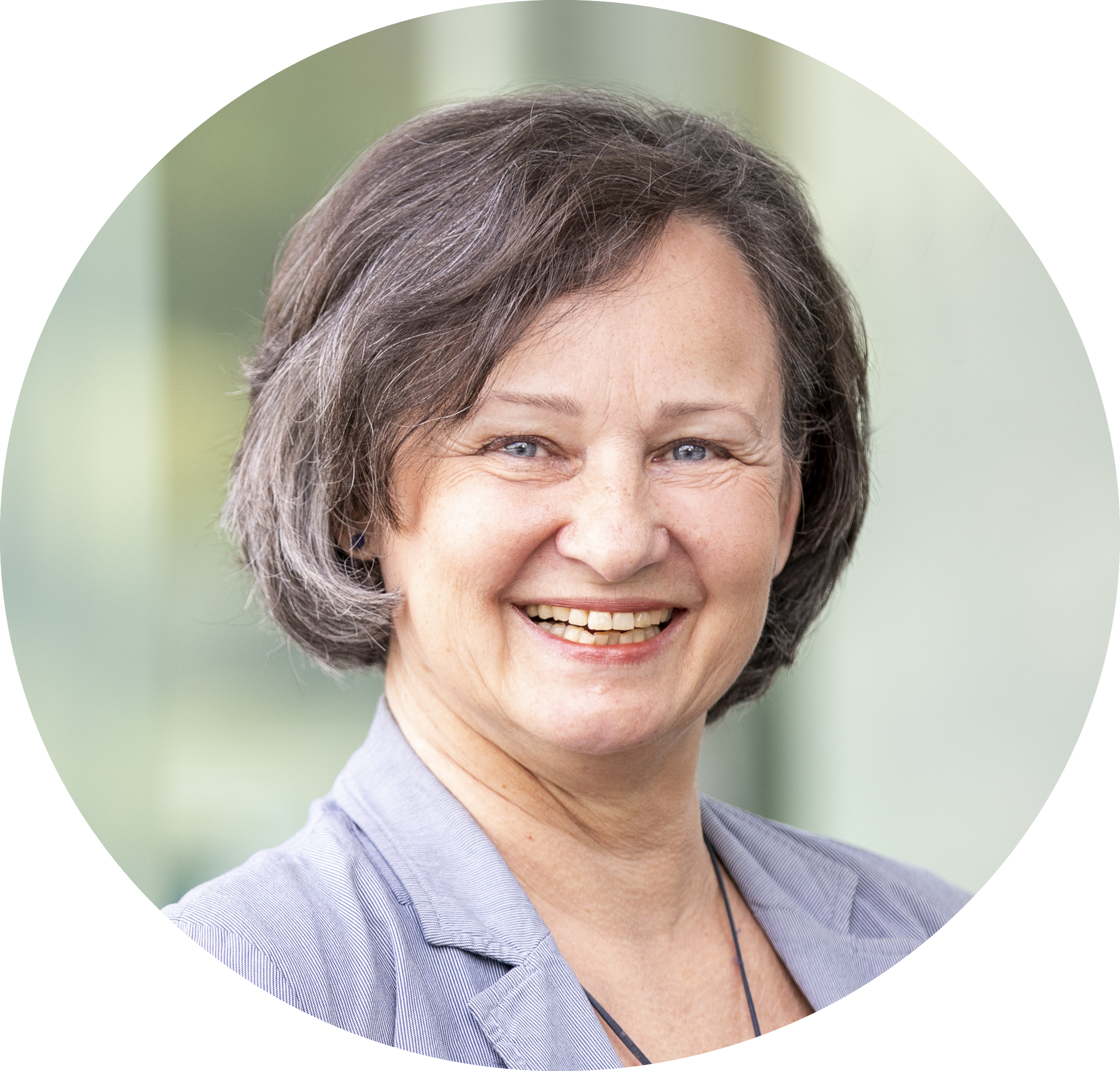
Cornelia Reimer
Cornelia serves as coordinator for peacebuilding education for churches and institutions worldwide connected to the World Evangelical Alliance. She loves to interact with teachers and school leaders who are interested in creating a positive classroom atmosphere. As a long-term teacher at a Christian high school and other institutes, she is aware of the importance of good relationships among students so that learning is greatly encouraged. Married with three adult children, Cornelia also serves as a coach, mediator, and counsellor at her local church and conventions.
-
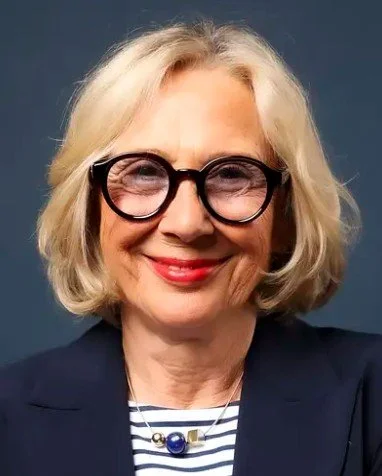
Bärbel Golze
Bärbel has been involved with FES Stuttgart, Germany, since its founding in 1991 and has witnessed its growth from 15 to over 1,500 students across all school levels. She has served in many roles, including board member, Realschule principal, secondary school teacher, prevention advisor, and coach for colleagues in the area of member care. She is married with three adult children and five grandchildren. Her work has long focused on strong cooperation with parents, healthy school communities, and sustainable leadership. Deeply committed to the whole school family, Bärbel is continually grateful for what Christ has done through FES over the years.
-
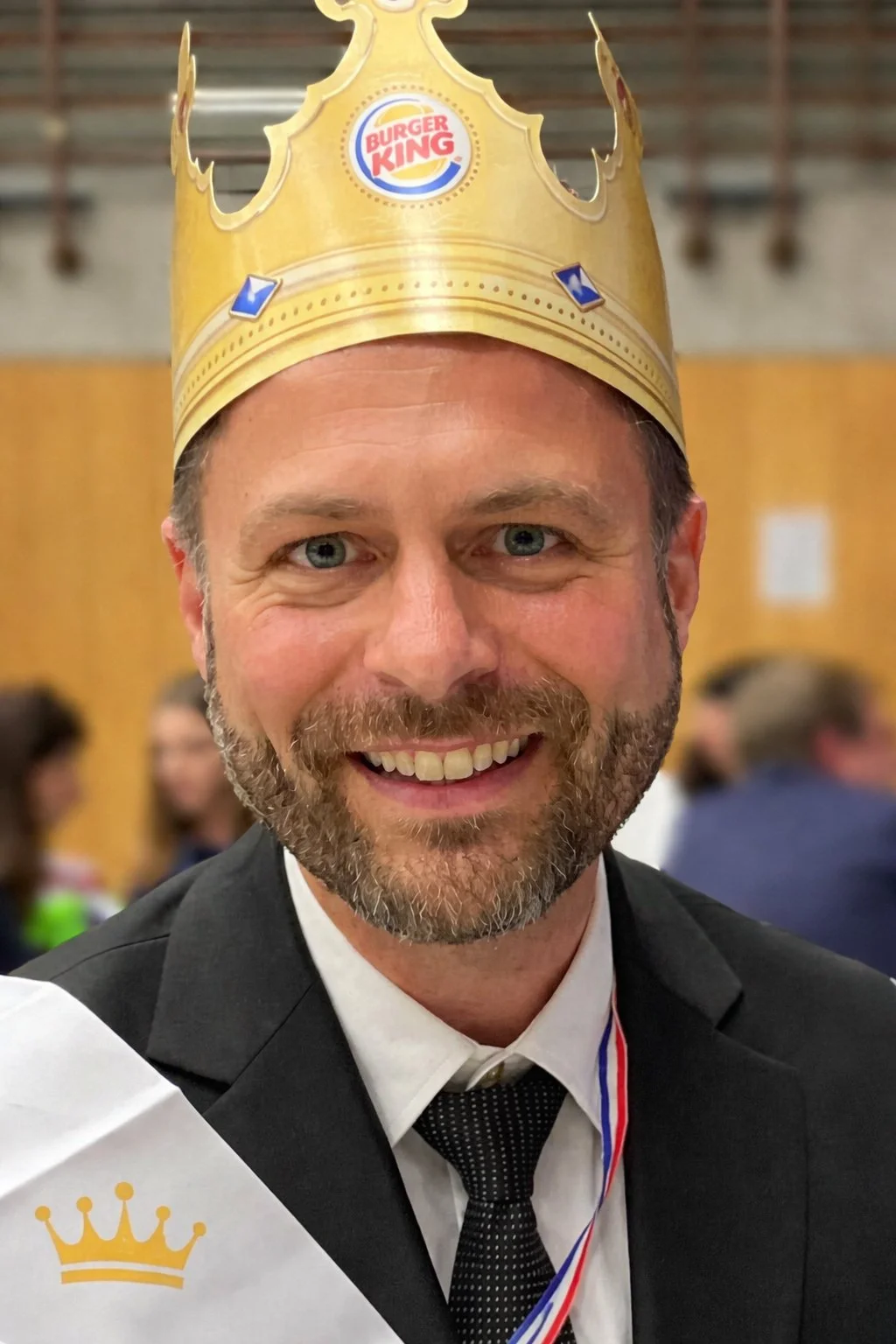
Christoph Müller
Christoph teaches at two public vocational high schools in Baden-Württemberg, Germany. Since 2008, he has been instructing students in Protestant Religious Education, International Economics and Business Administration, English, and Global Studies. As a married father of four children, he experiences education from both perspectives - that of a parent and that of a teacher. Beyond his passion of being a teacher, he serves as Vice Chairman of the LehrerErmutigungsTreffen e.V. (Teachers’ and Educators’ Encouragement Gathering).